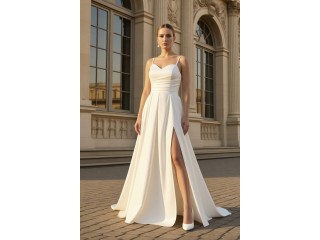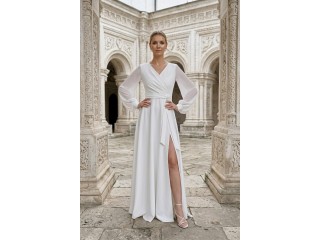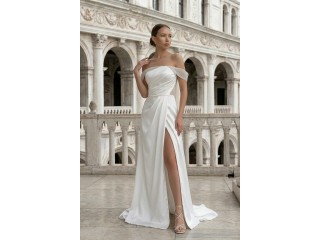
"A wedding dress should reflect the soul of the bride, and not dictate to her how to behave and what role to play." -Vera Wang, legendary wedding fashion designer.
Step 1. Budget and realistic deadlines
Start with financial mathematics. The cost of an outfit in the catalog rarely coincides with the final receipt. Budget for an additional 25% to 30% for unavoidable expenses. The ideal time to start the search is 6-8 months before the celebration. Individual tailoring takes 3-4 months, and buying a ready-made dress from a salon takes 2-3 months for delivery and fitting. If you have less time, focus on the collections "from the warehouse" or the express studio.What must be considered in the estimate:
- The dress itself and accessories (petticoat, corset, train)
- Special seamless underwear and corrective elements
- Tailor services (usually 3-5 fittings + urgent edits)
- Dry cleaning, restoration and archival storage after the wedding
- Shoes, tiara/veil and jewelry
Step 2. Silhouette, body type and aesthetics
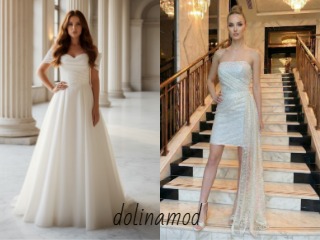
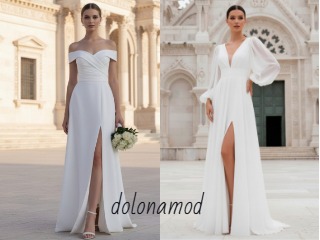
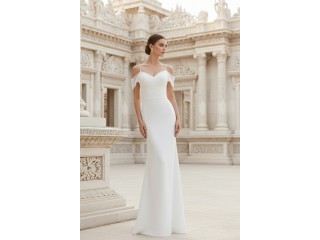
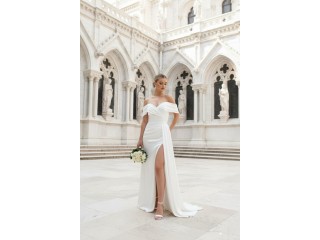
The cut determines the character of the image. Don't look for the "most beautiful dress", look for your own. Below is a detailed classification of the main silhouettes.
|
Name |
Design features |
Suitable for |
Visual and practical effect |
|---|---|---|---|
|
A-silhouette (Princess) |
Fitted bodice, skirt smoothly expands from the hips |
For almost all types of shapes |
Hides the volume of the hips, visually stretches the height, is comfortable in movement |
|
Ball Gown |
A clear waist, layered voluptuous hem, often with a crinoline |
Brides with narrow hips or those wishing to hide their legs |
Creates a royal, fabulous look; requires attention to indoor seating |
|
Mermaid (Mermaid) |
Fitted cut to the knee/mid-calf, followed by a sharp flare |
Hourglass shapes or sports rectangles |
Dramatically emphasizes curves; restricts stride, requires practice walking |
|
Direct (Sheet/Column) |
Vertical cut without a pronounced waistline, often with a slit |
Petite and tall slender brides |
Minimalistic, modern, emphasizes leg length and posture |
|
Empire |
High cut line under the breasts, light flowing skirt |
Pregnant women, brides with a full bust or tummy |
Airy, romantic, relieves pressure from the waist, ideal for summer |
|
Short (Tea-length) |
Mid-calf length, often with lace or flounces |
For chamber ceremonies, retro weddings, field registrations |
Playful, comfortable for dancing, highlights beautiful shoes and ankles |
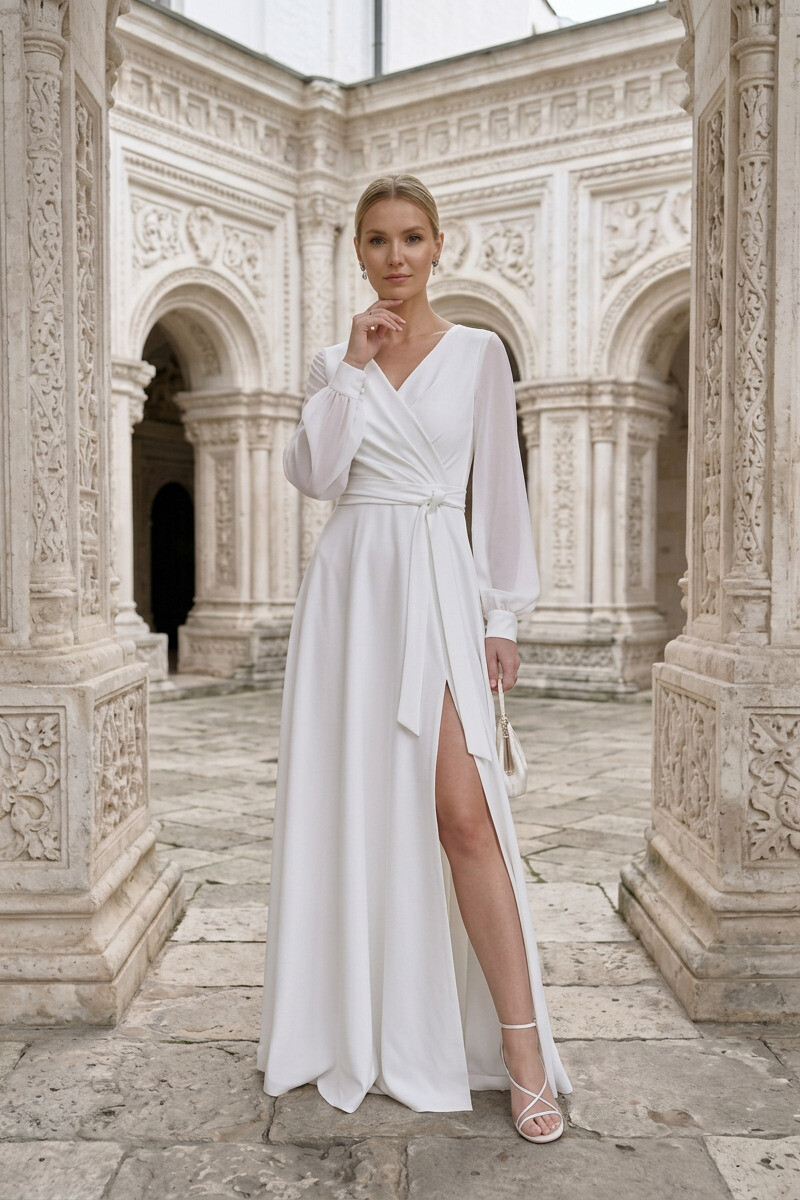 |
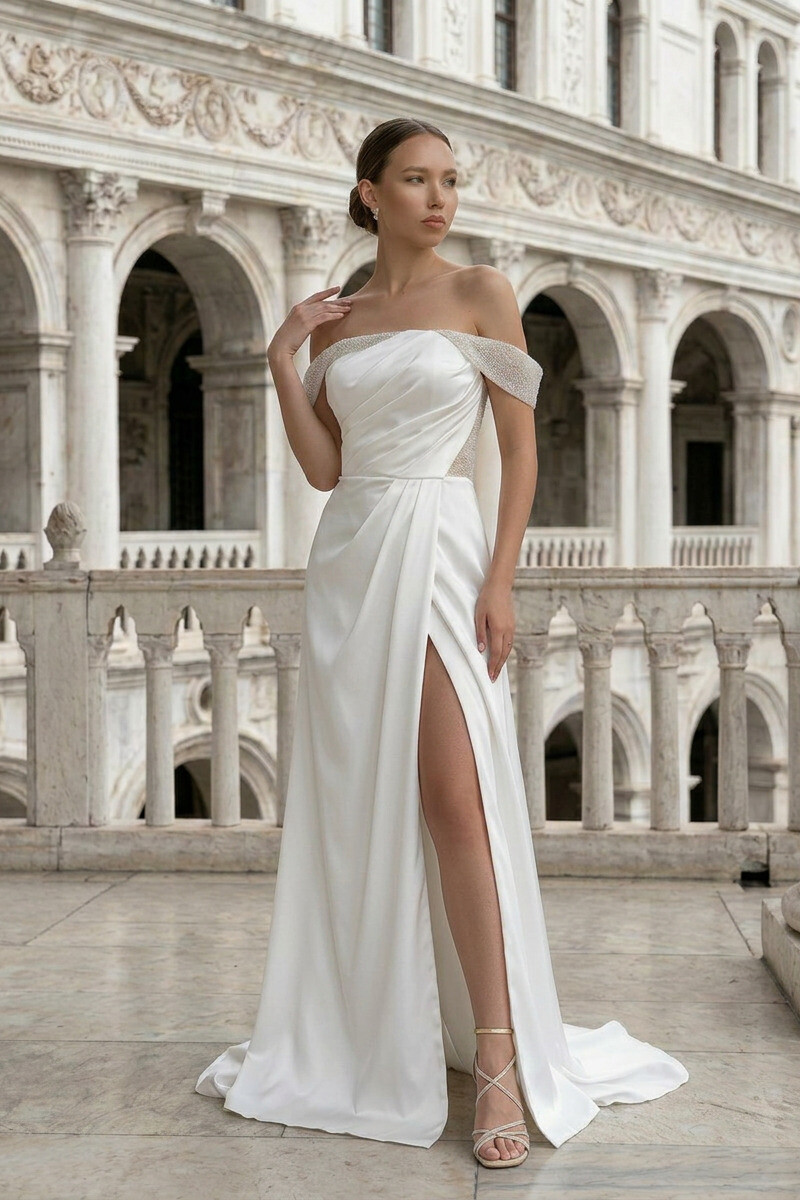 |
|
|
Haven MS-1128 |
June MS-1251 |
|
| Learn more | Learn more |
 |
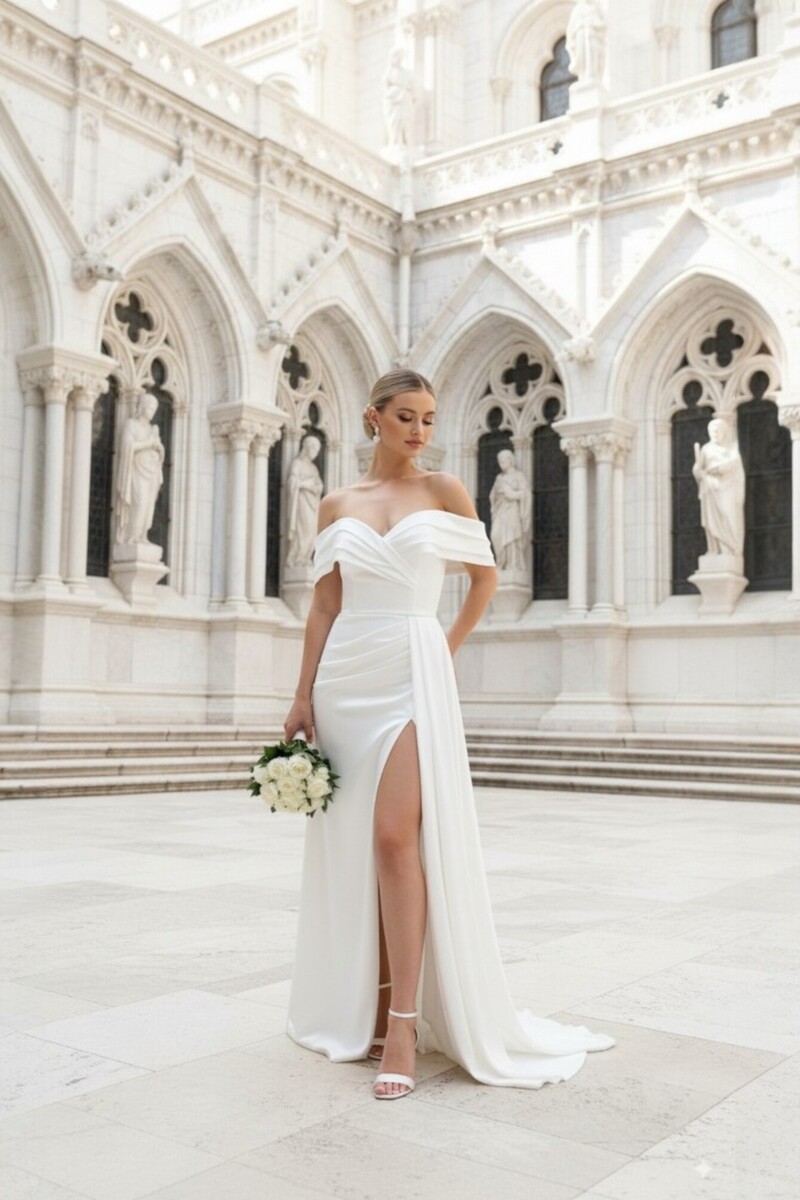 |
|
|
Elodie MS-1203 |
Alesta MS-1218 |
|
| Learn more | Learn more |
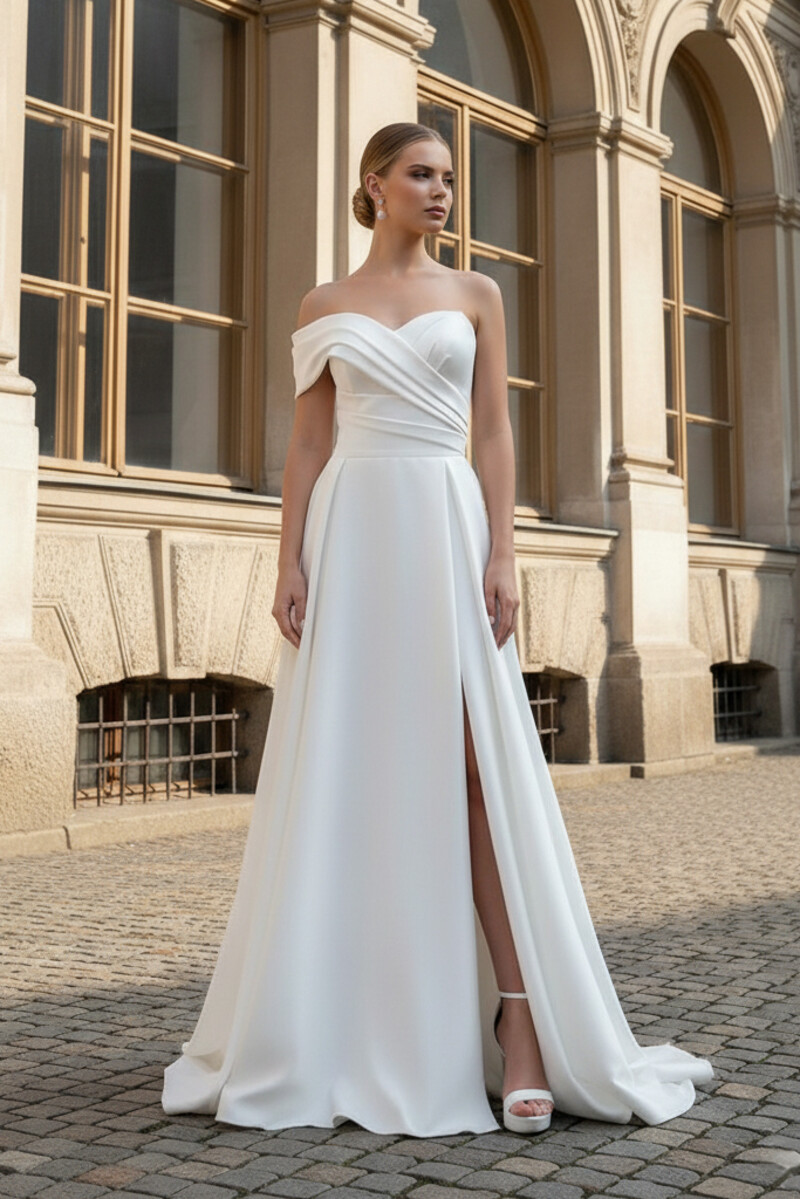 |
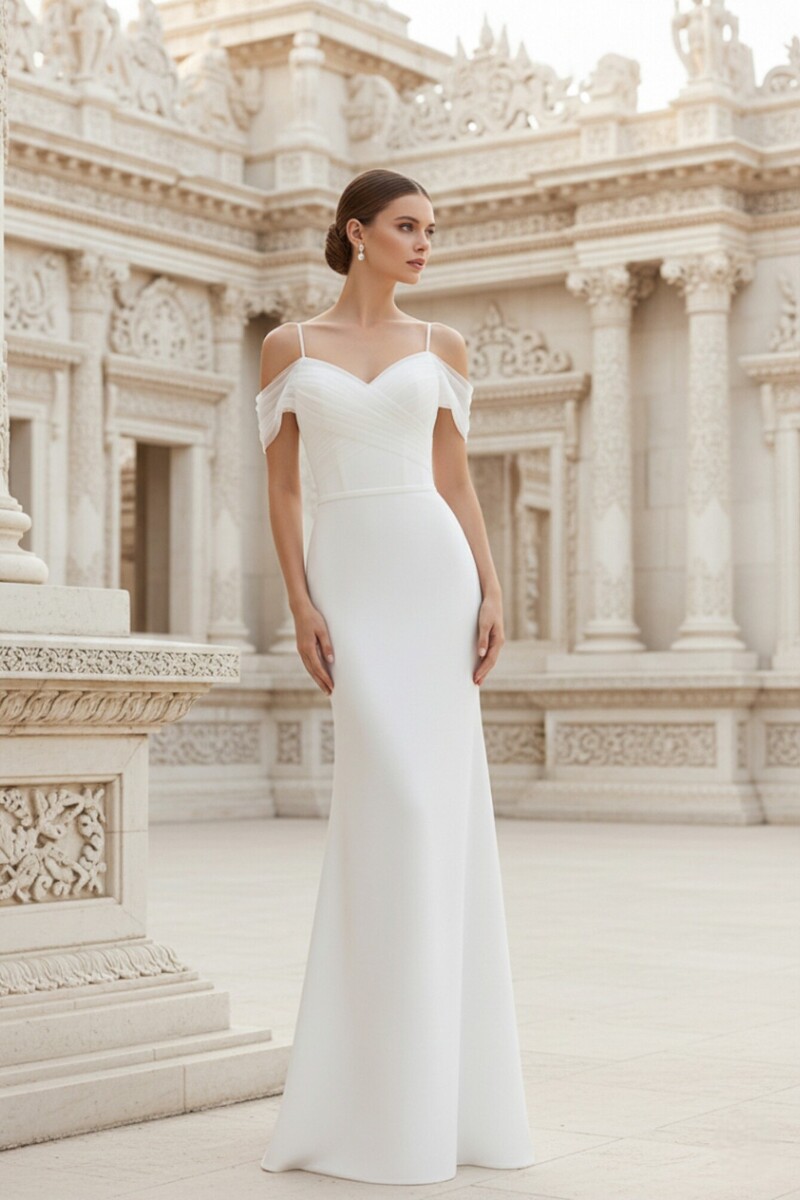 |
|
|
Elara MS-1220 |
Ida MS-1151 |
|
| Learn more | Learn more |
Each model has its own aesthetic. The A-line silhouette remains the gold standard of versatility, the mermaid requires confidence in gait and posture, the Empire gives physical freedom, and the ball gown turns any bride into a heroine of a classic fairy tale. It's important not to chase trends from Instagram if they don't resonate with your inner sense of comfort and identity.
"Fashion passes, style remains. Choose something that makes you feel like yourself, not a mannequin from a magazine. -Coco Chanel
Step 3. Fabrics, season and climatic comfort
The material directly affects the fit, weight and behavior of the outfit in different weather conditions. Light fabrics flow and breathe, dense ones keep their shape and warm. Decorative elements (beads, stones, hand embroidery) add from 1 to 5 kg to the total weight, which is important to consider when wearing for a long time.
|
Season and location |
Recommended fabrics |
What to avoid |
|---|---|---|
|
Spring / Summer / Beach |
Chiffon, organza, guipure, light satin, cotton lace |