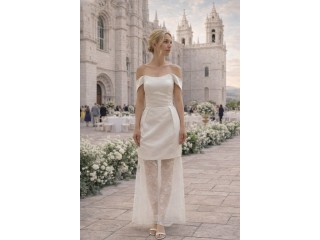
The philosophy of conscious luxury
The main trend of 2026 is the concept of "Slow Wedding Fashion". Brides are increasingly abandoning dresses that will be gathering dust in the closet for decades. The priority is transformable models that can be worn after the wedding, or dresses made from recycled materials.
In 2026, this quote takes on a new meaning: style does not consist in following momentary trends, but in creating an image that is in harmony with a woman's inner world and concern for the environment."Fashion passes, style remains," Coco Chanel said.
Eco-materials and innovations
The textile industry has made a breakthrough. The collections of 2026 are dominated by fabrics created with a minimal carbon footprint.
- Bio-silk and vegan satin. Materials obtained without harm to animals, having the same luster and tactility as natural silk.
- Recycled tulle. Nets and laces created from ocean plastic that has been specially cleaned.
- Smart fabrics. Thermoregulated materials that allow the bride to feel comfortable both at a winter photo shoot and at a summer party.
Silhouettes and Cut: From Minimalism to Neo-Victorianism
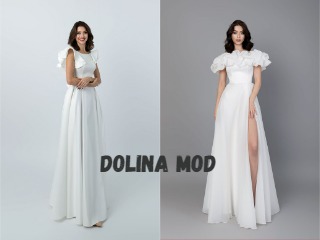
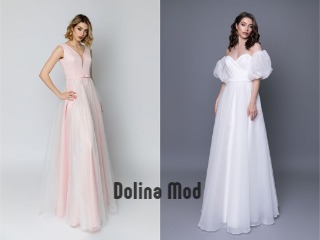
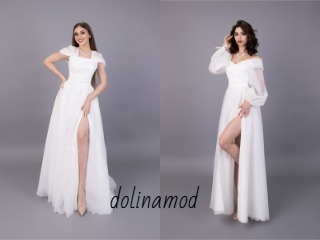
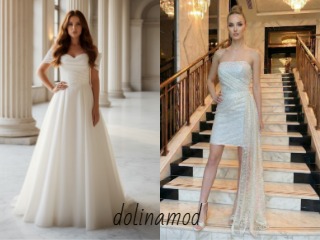
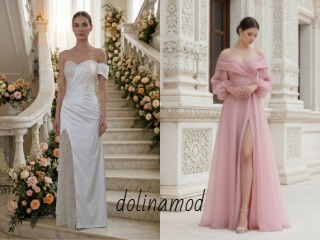
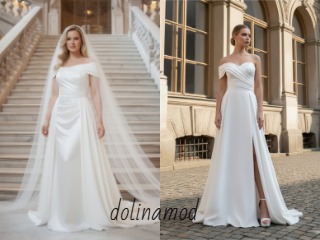
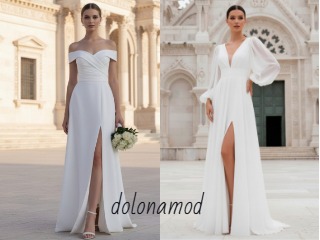
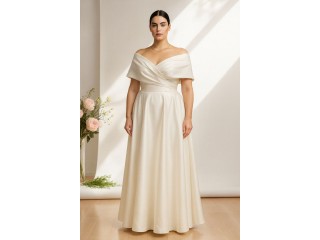
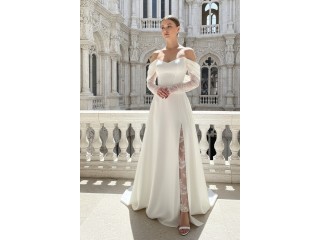
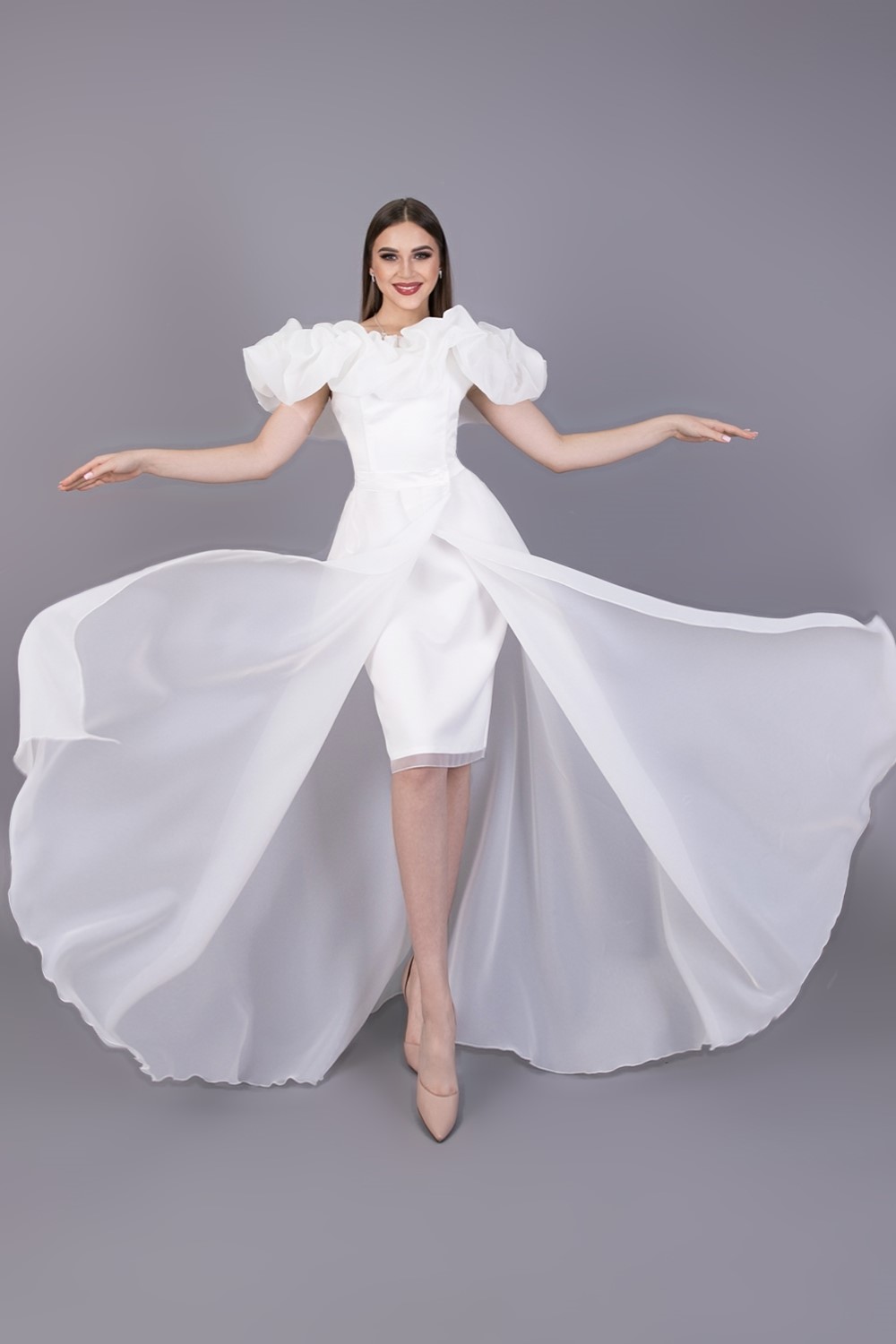
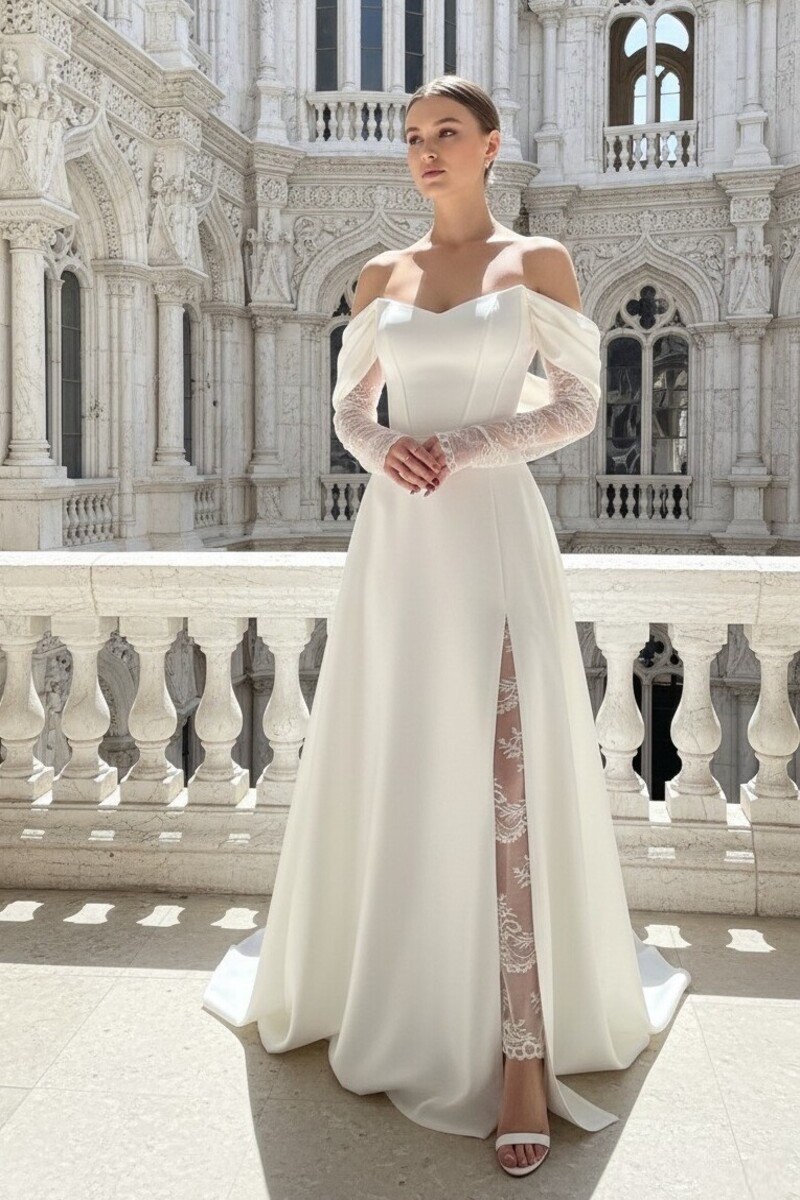
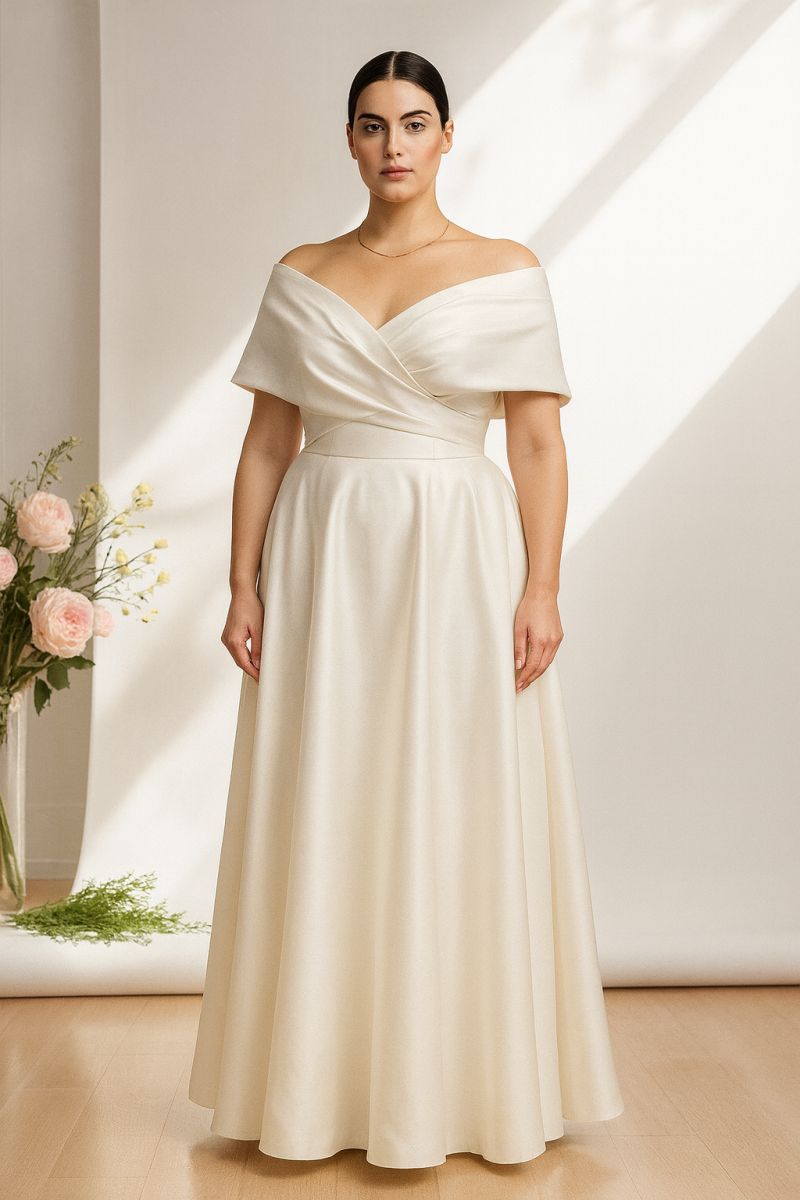
In 2026, there is a polarity in the choice of silhouettes. On the one hand - the strict minimalism of the 90s, on the other - lush, theatrical forms with a modern interpretation.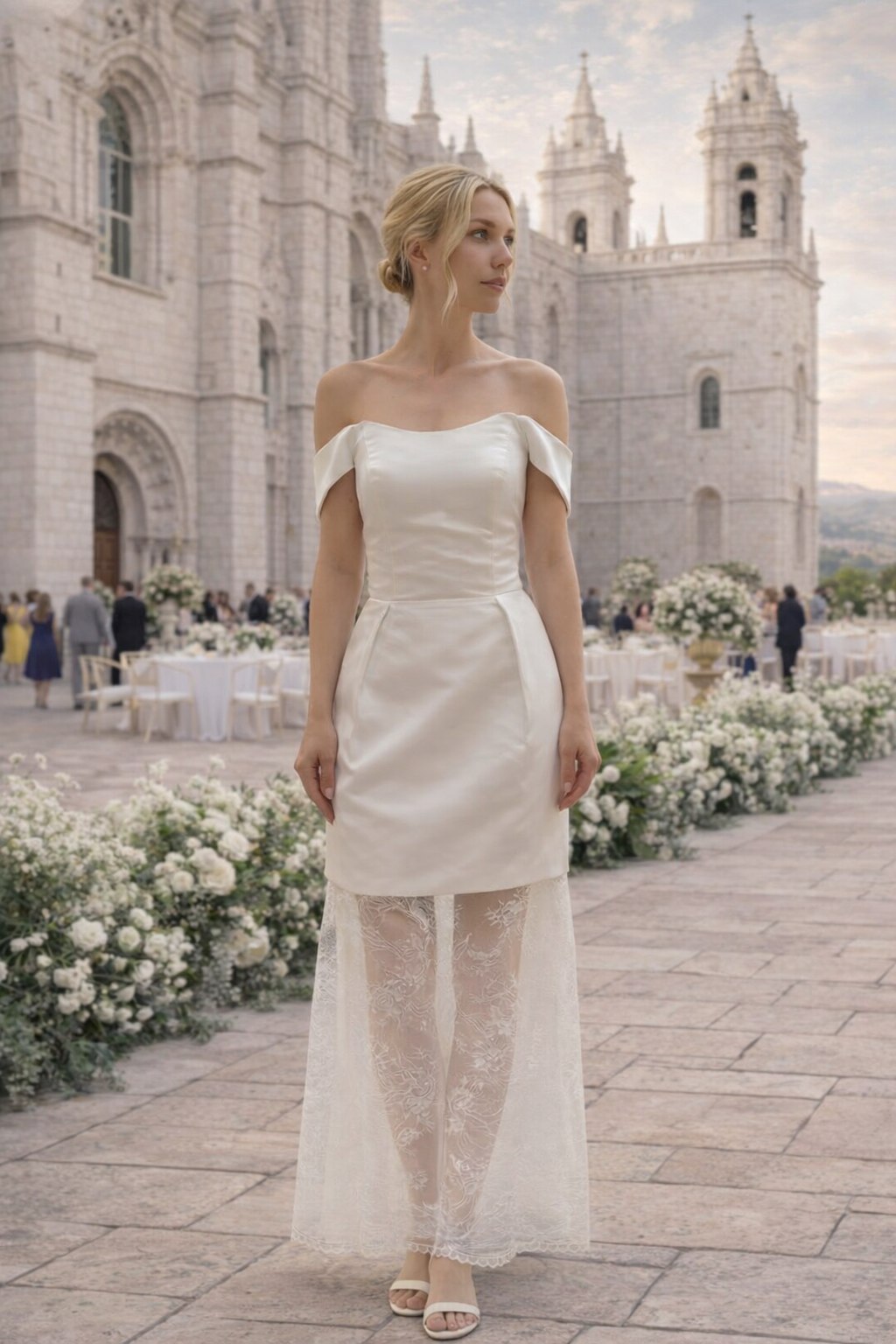 |
 |
|
|
Raine MS-1242 |
Alice MS-1178 |
|
| Learn more | Learn more |
 |
 |
|
|
Claire MS-1216 |
Eliana MS-1200 |
|
| Learn more | Learn more |
- Minimalistic slip-dress. The dress is a combination of thick satin. In 2026, it will be complemented by architectural inserts or an asymmetrical hem. This is the choice for brides who appreciate clean lines.
- Neo-Victorian style. High stand-up collars, puffy buff sleeves and corsets, but made of lightweight, breathable fabrics. It is a tribute to history without the heaviness of past eras.
- Sets of separators. Top and skirt that can be combined. The top can be cropped or in the form of a bodysuit, and the skirt can have several layers. This allows you to create two different looks in one evening: solemn for a ceremony and comfortable for dancing.
- Capes and capes. Instead of the traditional veil, long lace capes are increasingly being used. They add drama and can be easily removed.
Comparative table of fabrics 2026
|
Fabric type |
Specifications |
Perfect silhouette |
Seasonality |
|---|---|---|---|
|
Eco-atlas |
Dense, matte gloss, does not crease |
Straight, A-line silhouette |
All year round |
|
3D lace |
Three-dimensional pattern, lightness, transparency |
Mermaid, Ballroom |
Spring, Summer |
|
Organic flax |
Textured, natural, breathes |
Boho, Loose fit |
Summer |
|
Neo-velvet |
Soft, deep color, tactility |
Vintage, Long sleeves |
Autumn, Winter |
|
Smart tulle |
Changes color when illuminated, light |
Layered, Lush |
Evening, Club |
Color palette: Beyond White
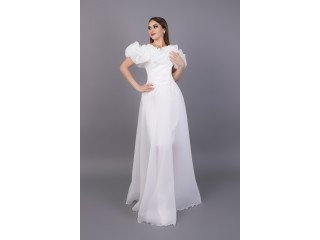
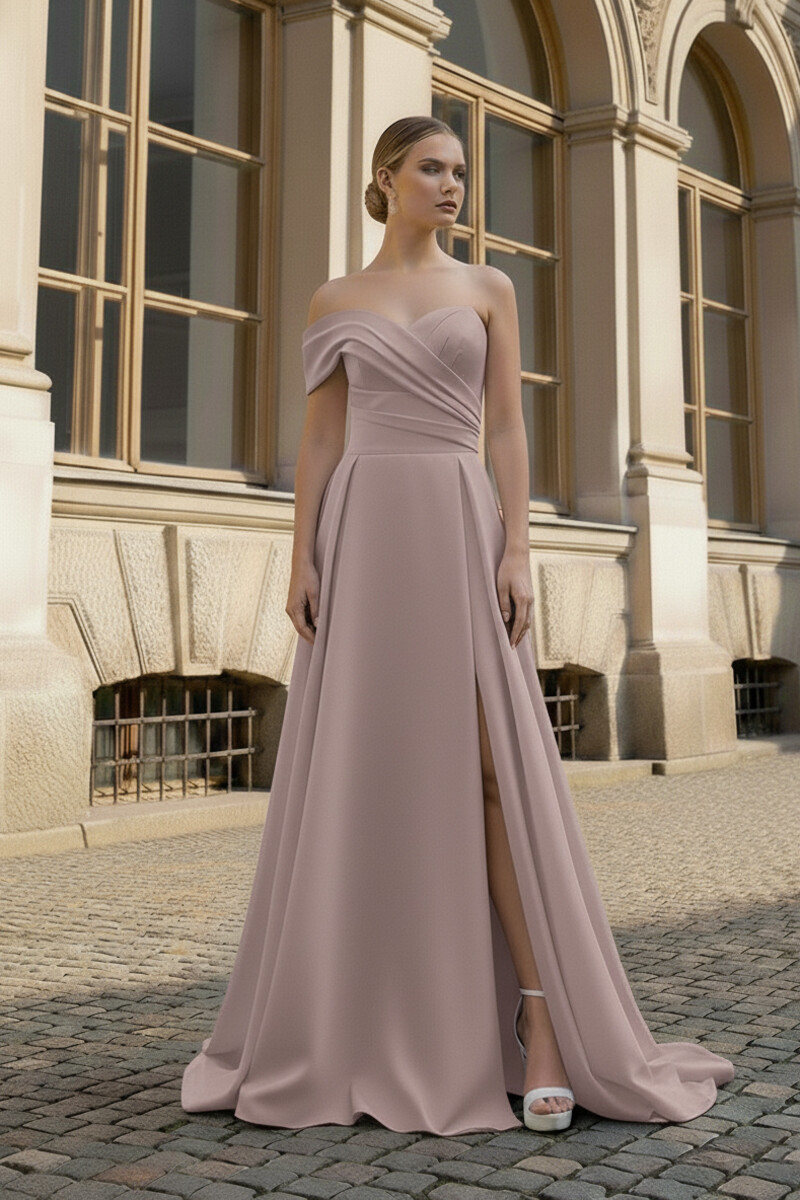
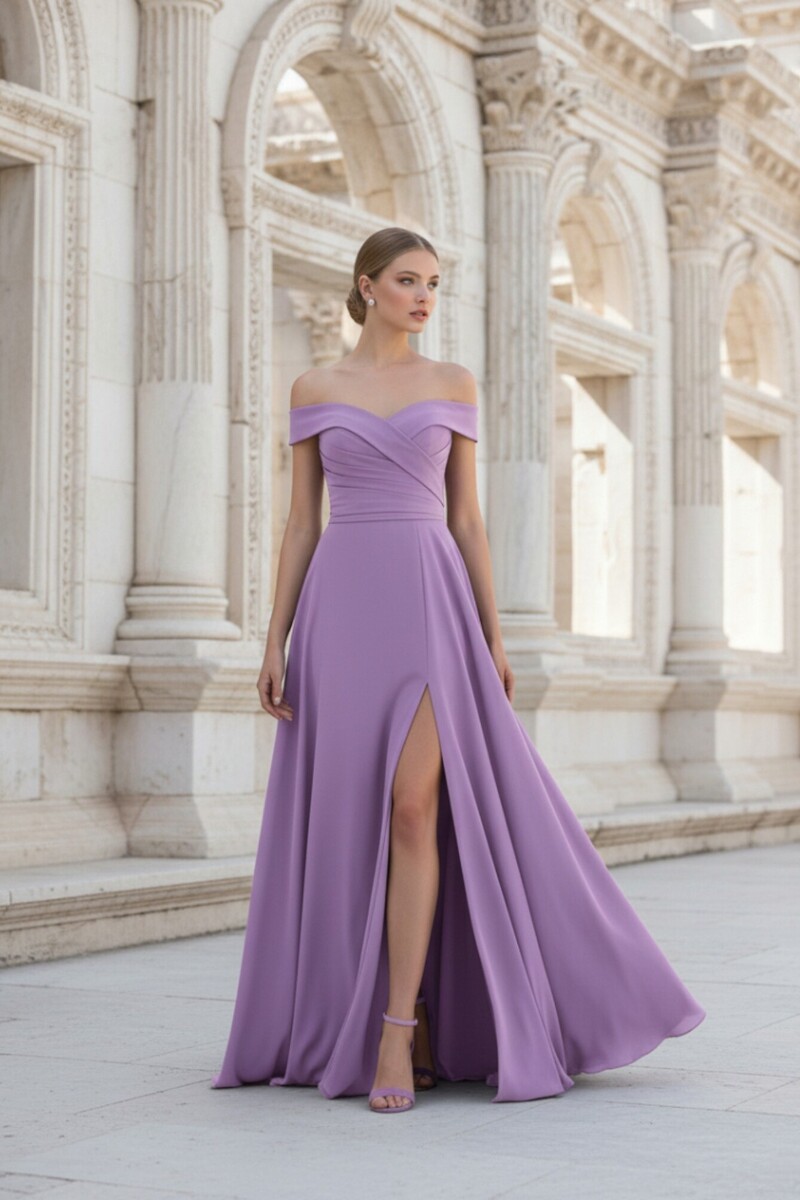
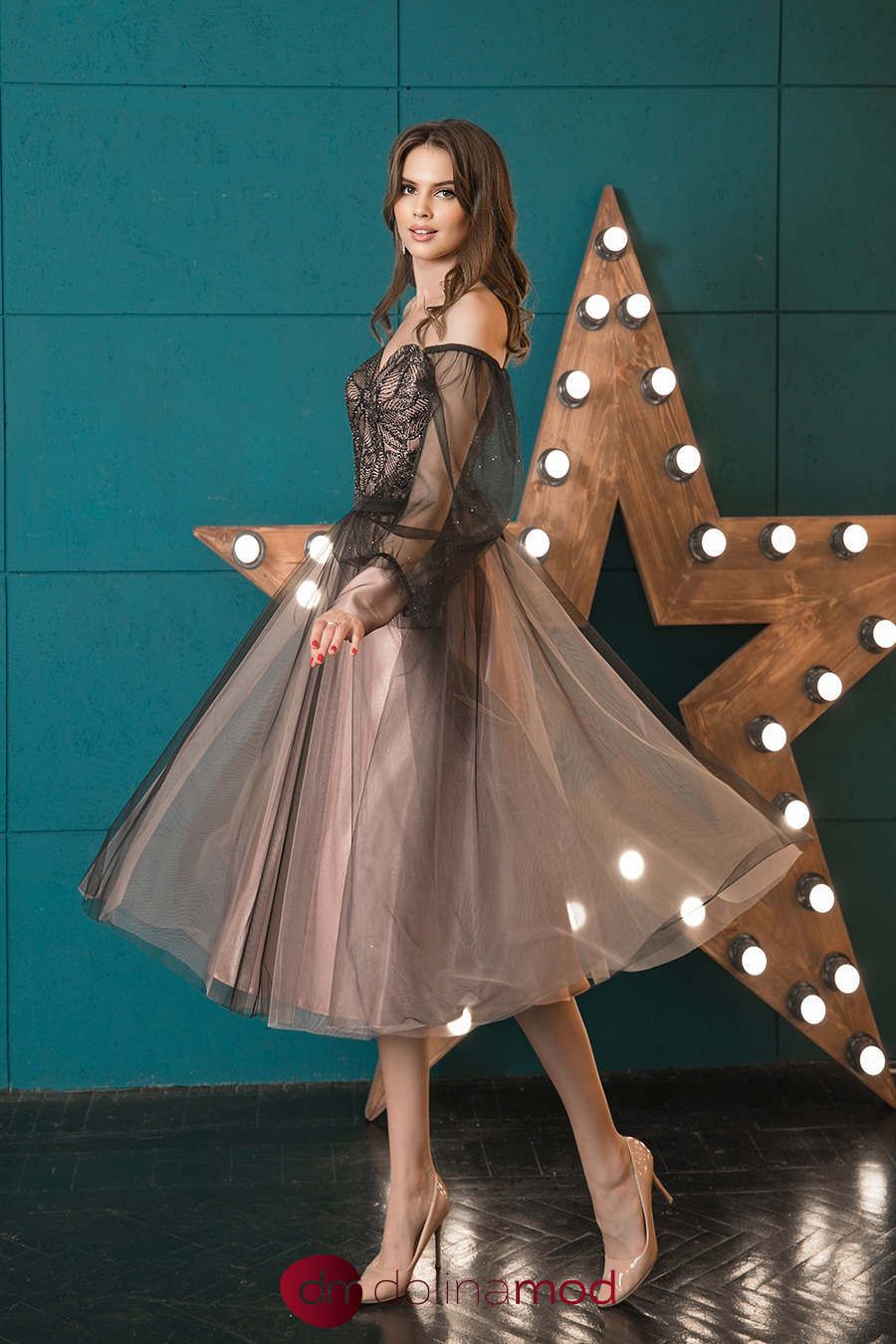
The white color remains a classic, but in 2026 it ceased to be a monopoly. Designers suggest brides consider shades that accentuate skin tone and add depth to the image.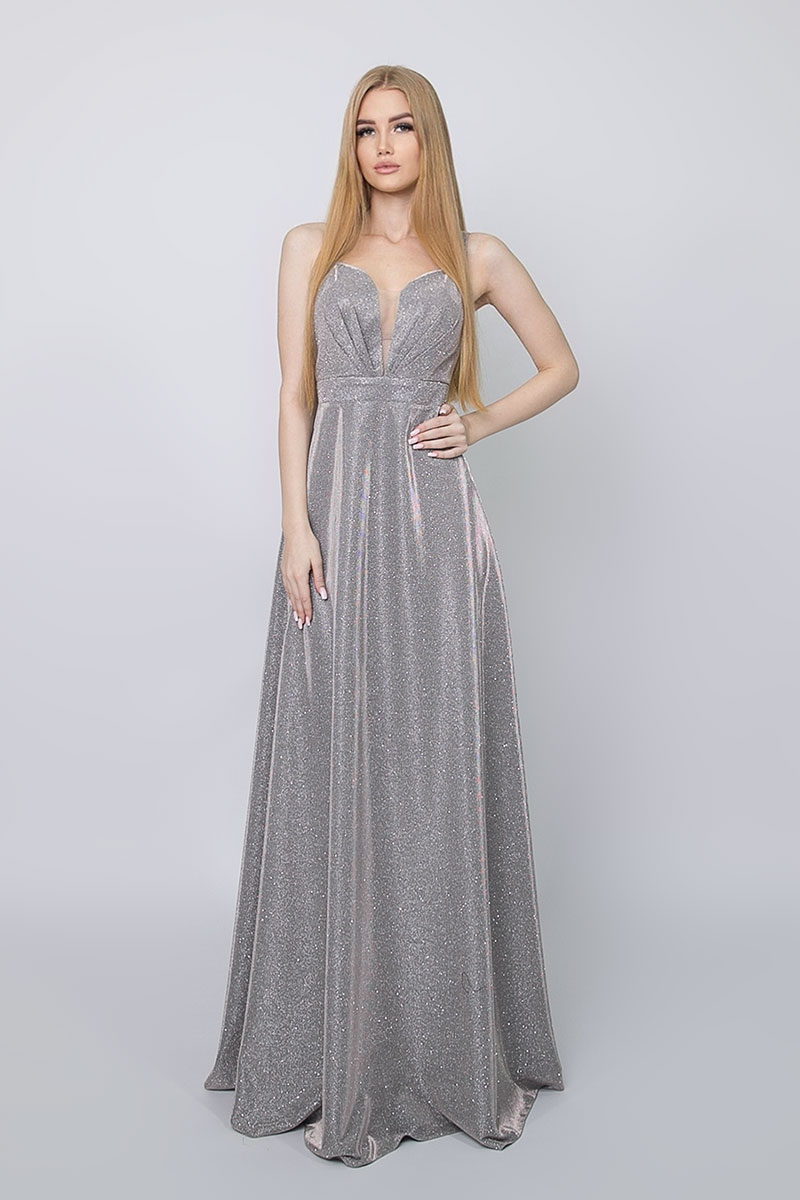 |
 |
|
|
Sabina DM-1124 |
Elara DM-1220 |
|
| Learn more | Learn more |
 |
 |
|
|
Genevieve DM-1195 |